


 PALANS A CHAINE
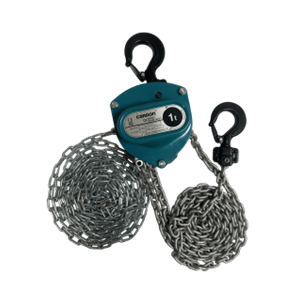
  PALAN A LEVIER
MANUAL HOISTS
Manual hoists are essential lifting equipment for your workshop or construction site operations. Levage Manutention offers you a wide range of simple or lever-operated manual hoists and will help you choose the hoist that best suits your lifting solution.
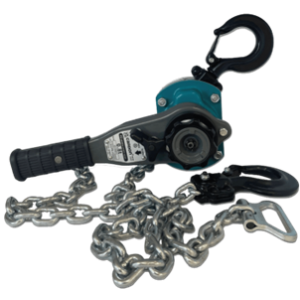
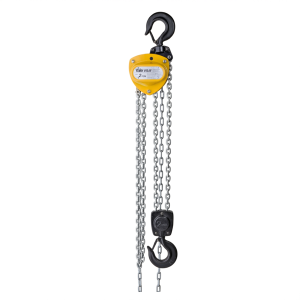
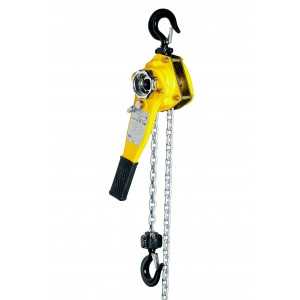
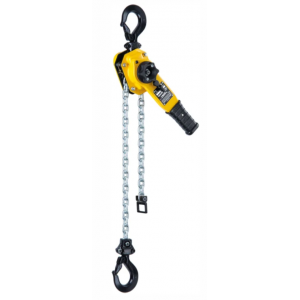
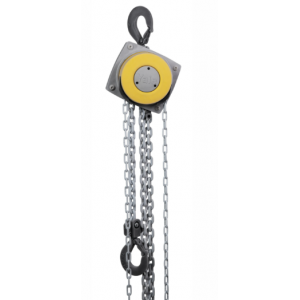
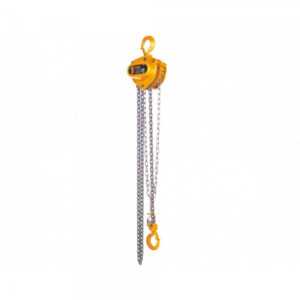
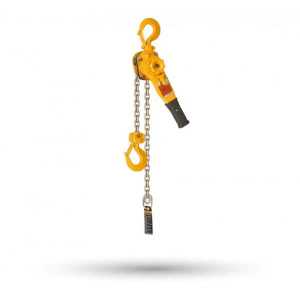
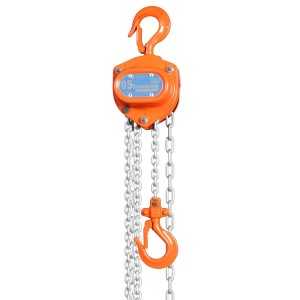
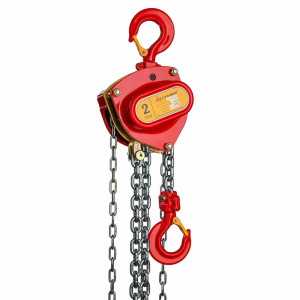
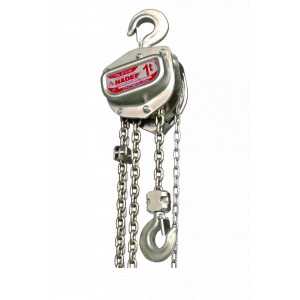
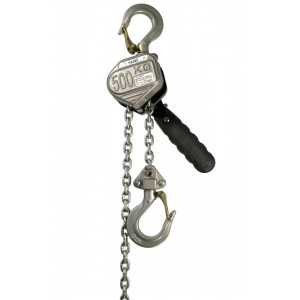
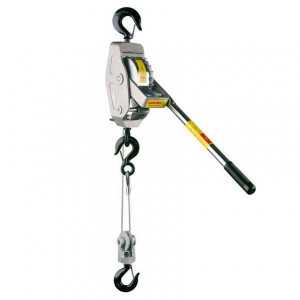
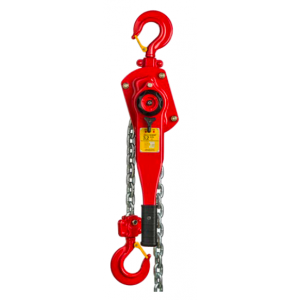
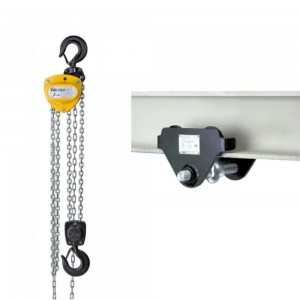
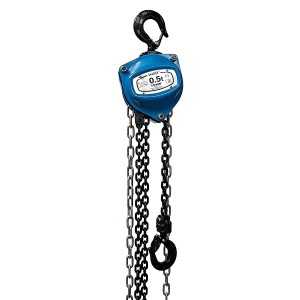
Manual hoists consist of two distinct parts, a fixed and a moving part. The purpose of the manual hoist is to lift and move heavy loads by means of a rope or chain with the force of the arms.
The advantage of the manual hoist is that it takes up very little space. Unlike other hoists, it does not use electricity and is suitable for use in hazardous areas. A manual hoist can be used as a fixed hoist or as a movable hoist in combination with a steering trolley. This type of hoist is popular in many industries as it is easy to handle, manoeuvre and perform many tasks.
This hoist is very useful for occasional use with a load not exceeding 30 tons. With manual hoists, the heavier the load, the more strands are used to multiply the user's effort. However, the lifting time with a manual hoist will be longer than with an electric hoist.
When choosing a manual hoist, several criteria must be taken into account :
- Firstly, you need to know the environment of your lifting location in order to assess whether the use of a manual hoist is necessary.
- Then you need to define the lifting capacity of the manual hoist, corresponding to the CMU
- Determine the maximum lifting height
- Next, you need to know the length of the rope or chain that is useful on the manual hoist
- Choose between a manual hoist with or without a lever, depending on the space available and the desired result
- Finally, choose the lifting accessories that will be associated with your manual hoist.
For further information on manual hoists and their use, please contact our customer service department, who will answer all your questions.