
 MANUAL HOISTS
  ELECTRIC HOISTS
  PNEUMATIC HOISTS
  CHARIOTS PORTE-PALAN
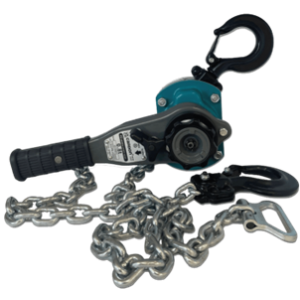
HOIST
Invented around 240 BC by the mathematician, physicist and engineer Archimedes, the hoist is used to handle, lift and move heavy objects. The hoist is simply operated by a mechanism equipped with a chain or cable that reduces the effort required to lift a load. This effort can be multiplied thanks to the strands. In fact, the more strands there are, the less effort is required.
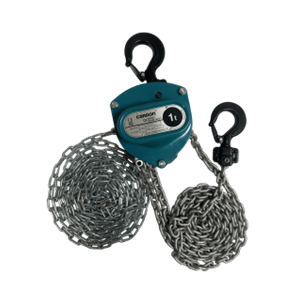
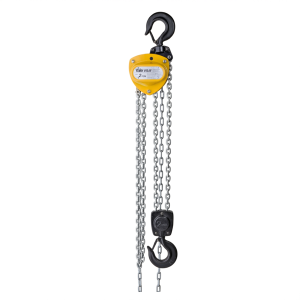
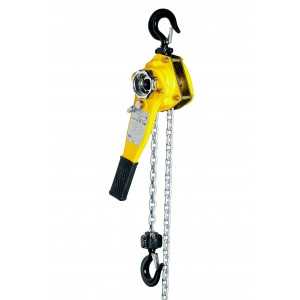
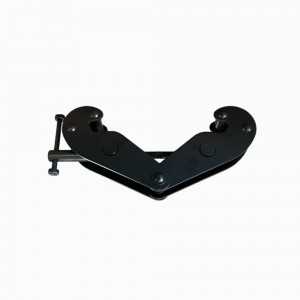
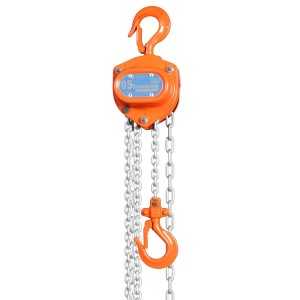
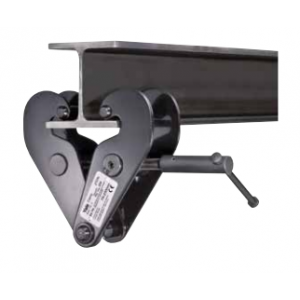
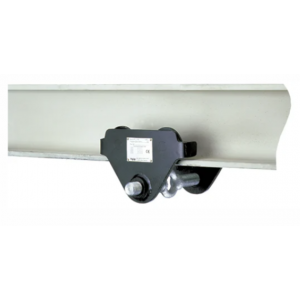
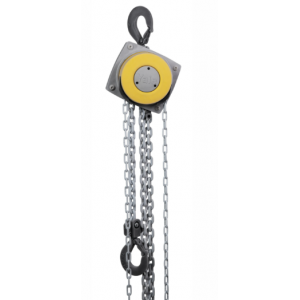
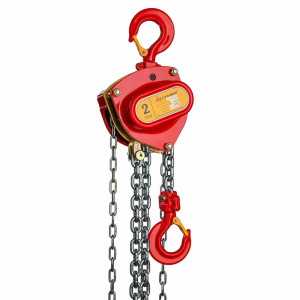
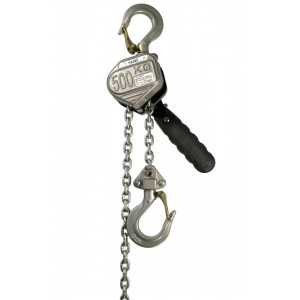
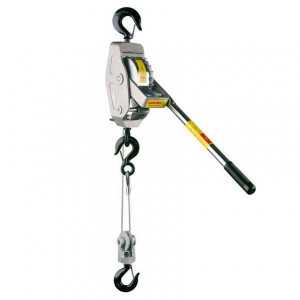
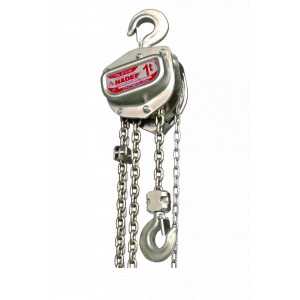
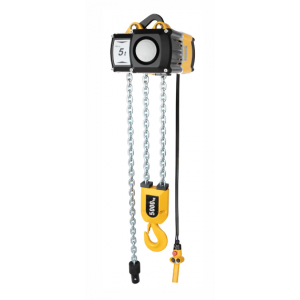
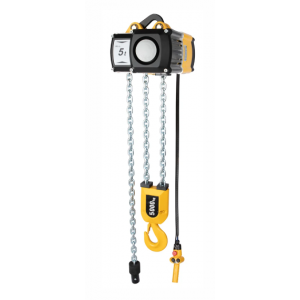
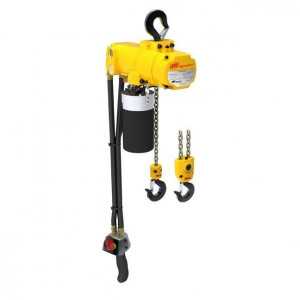
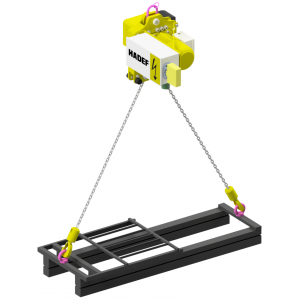
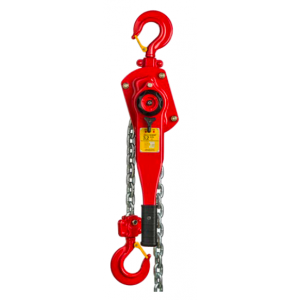
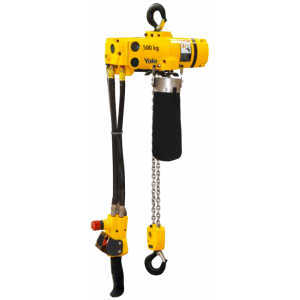
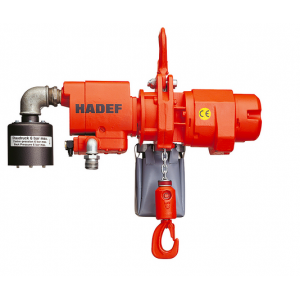
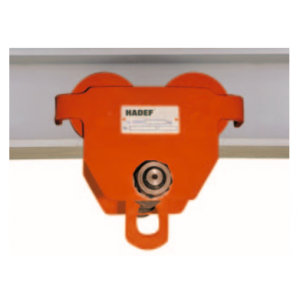
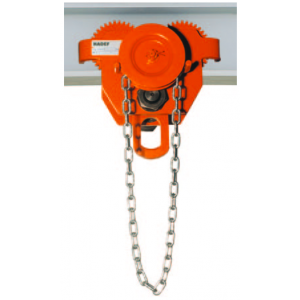
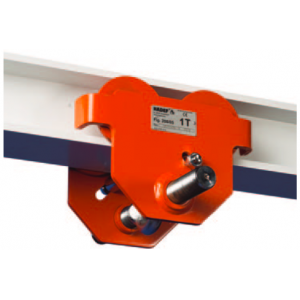
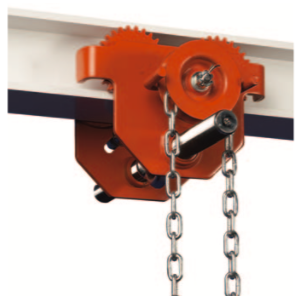
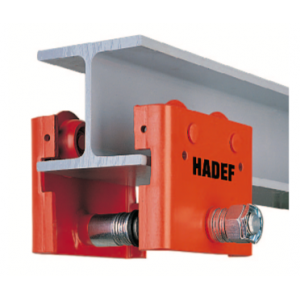
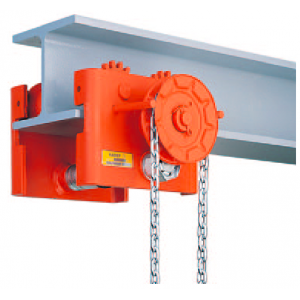
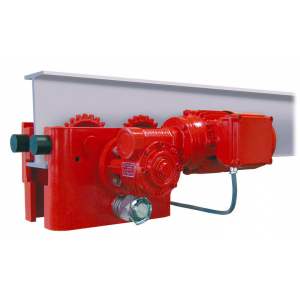
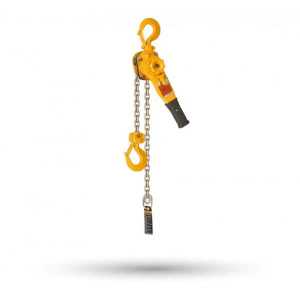
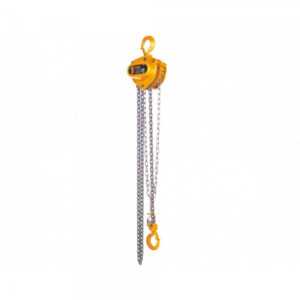
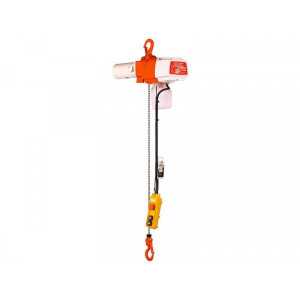
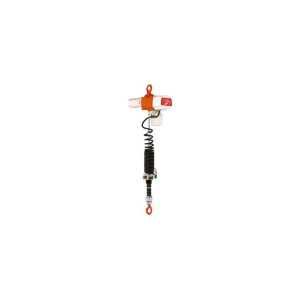
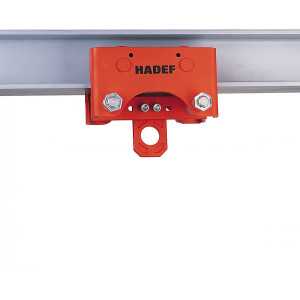
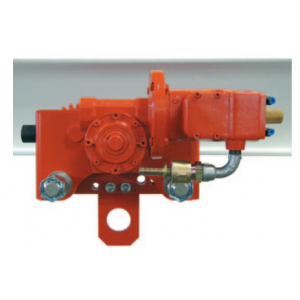
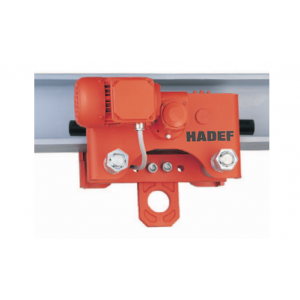
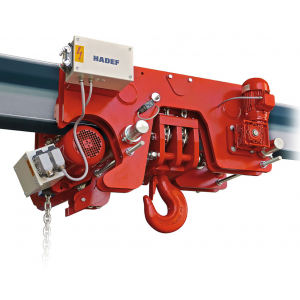
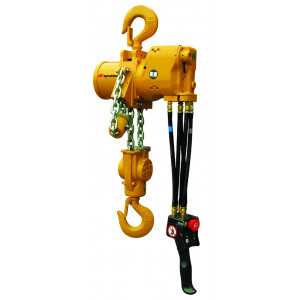
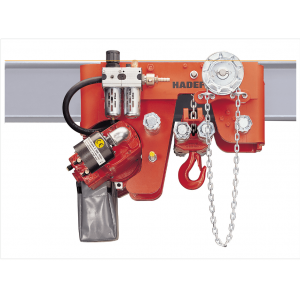
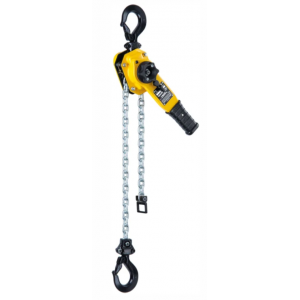
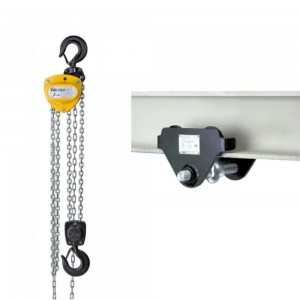
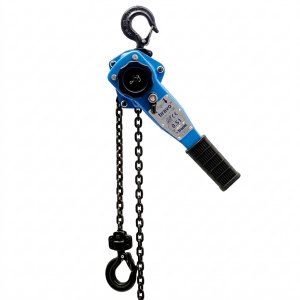
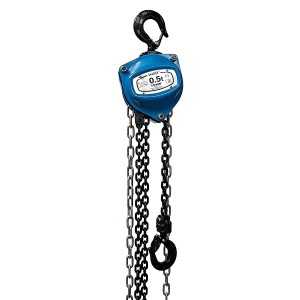
There are three types of hoists:
The simple hoist consisting only of a block
The differential hoist consisting of either a rope or two belts that cross in a pulley at two different diameters
The Verlinde hoist was designed by the famous French manufacturer Verlinde in 1918. Simply put, it is an electric hoist.
The standard lifting height of a hoist is 3 metres, but we offer lifting equipment from 1 to 6 metres in height.
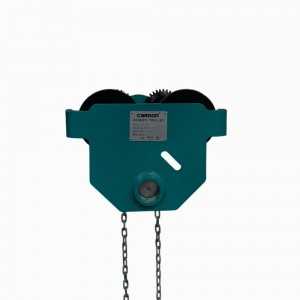
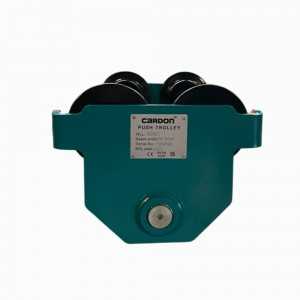
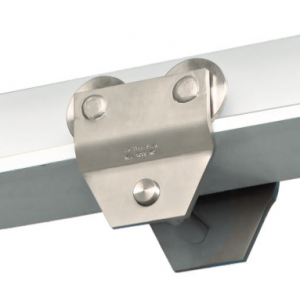
Our range includes manual chain and lever hoists, electric hoists and pneumatic hoists. The hoists can be fixed or mounted on a trolley with manual or electric travel. You can also find hoist trolleys in steel or stainless steel. Each hoist purchased comes with a 12-month guarantee and a certificate of conformity at the time of delivery.
Our workshops are equipped to carry out the periodic inspection, maintenance and repair of all the manual hoists, electric hoists and pneumatic hoists that we distribute. Finally, our teams publish monthly articles on our blog to inform you of the correct way to use our hoists and to make you aware of the possible dangers to be avoided during a lifting operation with a hoist.
For more information on HADEF, PARSONS CHAINE, ELEPHANT hoists, please contact our customer service department, they will answer all your questions.