


 TRANSPALETTES/DIABLES
  PATINS ROULEURS
  Diables
  Gerbeurs manuels
MANUTENTION
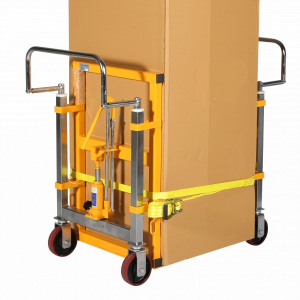
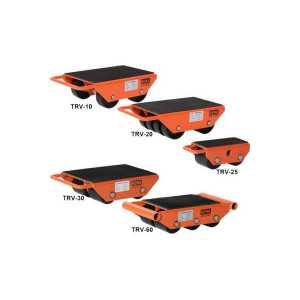
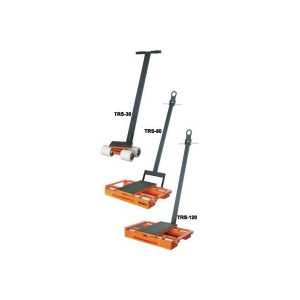
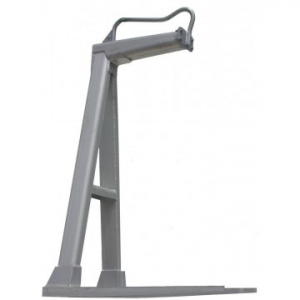
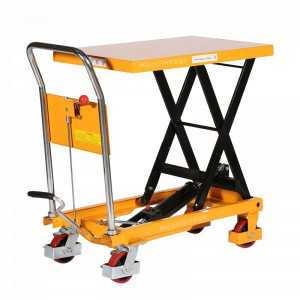
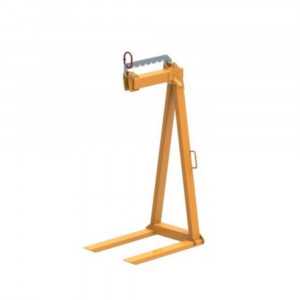
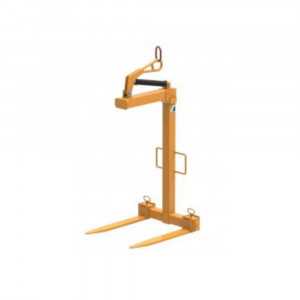
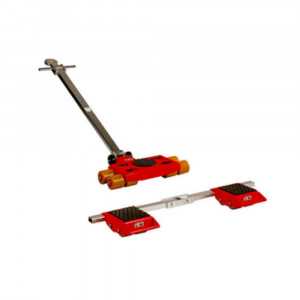
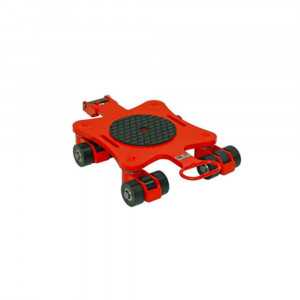
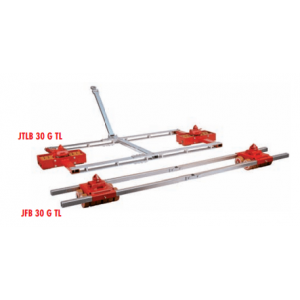
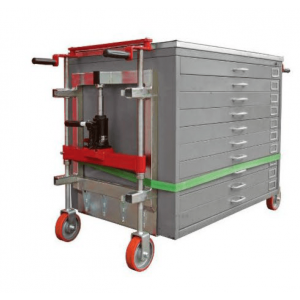
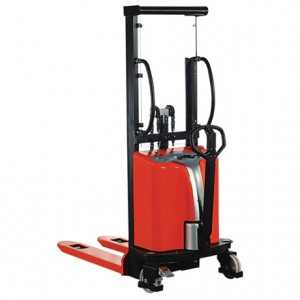
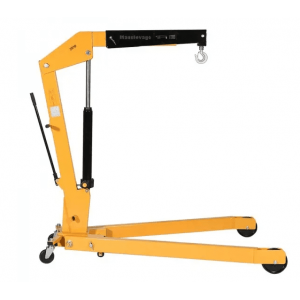
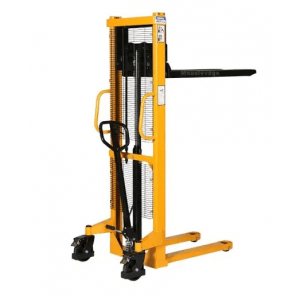
Today, material handling is used by everyone in warehouses, factories or shops. Originally, material handling consisted of moving loads by hand. Today, with the technological advances, industrial companies are investing in more and more efficient handling equipment to improve productivity.
Goods handling is an important operation in the supply chain. Moreover, it requires the use of professional equipment such as forklifts, stackers and pallet trucks. The purpose of these handling devices is to make the task easier and the operation safer for the user.
How do we choose the right material handling equipment for our operation ?
To begin with, there are floor handling machines and dockside handling machines. For floor handling, you can choose a forklift truck that will allow you to move the load from one point to another on a flat surface. For dockside handling, choose hand pallet trucks, electric pallet trucks or stacker trucks to unload the load into the truck.
Your handling equipment should also be adapted to the distance and conditions. For short distance lifting operations, we recommend the use of manual, semi-electric or electric pallet trucks. For medium-distance handling operations, you can use stacking pallet trucks or forklifts. Finally, for handling loads over long distances, forklifts and electric stackers are the most suitable handling equipment.
Finally, when choosing your handling equipment, you must take into account the characteristics of the load during the handling operation, if this is incorrectly assessed it can present a risk during lifting. A load that is too heavy will throw the equipment off balance and put the user at risk.
Next, the environment in which the operation will be carried out must be assessed. The space must be flat and spaced out to place the load. In addition, it is necessary to have a good grip on the load to prevent it from falling. So make sure you choose a machine that is suitable for the space you have available.
All handling equipment must comply with current standards to ensure the safety of loads and users.
What are the tools for materials handling ?
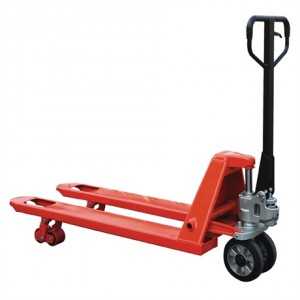
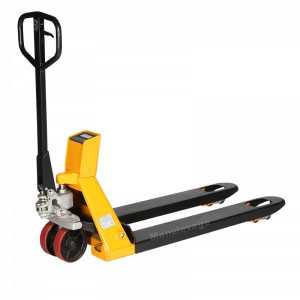
First of all, there is the pallet truck! The pallet truck, also known as a pallet puller, is a truck that can be hydraulic, manual or electric. It is used to move pallets in warehouses, factories or shops. This handling device is practical, easy to use and has a low energy consumption.
Pallet trucks have two forks that can lift a load a few centimetres off the ground. There are three types of pallet trucks:
The manual pallet truck: This is a classic pallet truck that can only be pulled by human effort. The load is lifted by means of a tiller with a handle by manual pumping once the two wheels have been joined. The use of the hand pallet truck does not require any special training. However, appropriate training must be provided to prevent the risks involved in using this machine.
Electric pallet truck: This is an electrically powered machine with the same configuration as a manual pallet truck except that an electrical lifting device is added. The handle bar has the same function as the manual pallet truck but the lifting is done automatically.
The platform pallet truck: This is made with a rear platform as a driving position. On the platform you will find all the electrical controls for the machine, the engine and the steering. The platform pallet truck is driven by battery power.
This machine can only be used on flat, smooth and non-slippery ground. The use of this equipment requires professional training.
If you have any further questions about handling equipment or handling in general, please contact our customer service. They will be happy to answer all your questions.