


MANUAL WINCHES
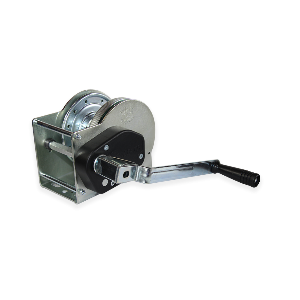
Manual winches are lifting and handling tools used for horizontal lifting, securing and pulling operations. Each manual winch meets your specific lifting, hauling or pulling needs. Levage Manutention offers a range of manual winches, lifting winches, bracket winches, gear winches and worm gear winches.
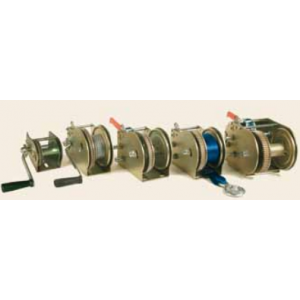
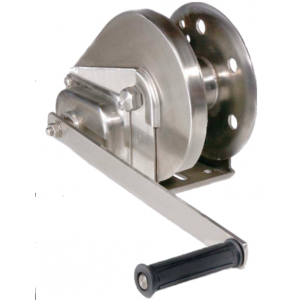
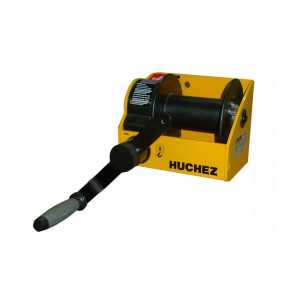
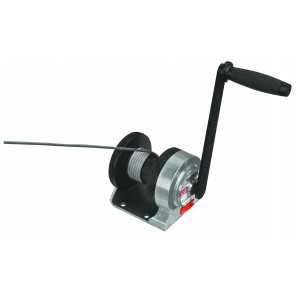
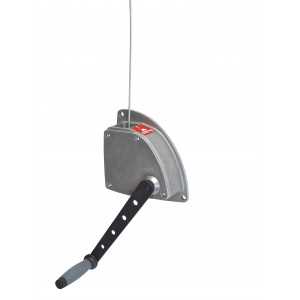
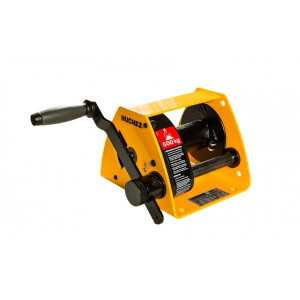
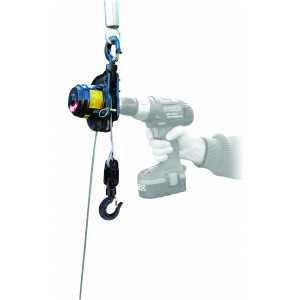
Manual winches are the most traditional and easiest to use lifting devices. These winches have a minimal pulling capacity (up to about 2T). Manual hoists are only used with arm strength for winding and unwinding.
Some Lifting & Handling winches may have an automatic brake to prevent unintentional unwinding of the cable or rope. The handles of these devices are user-friendly, comfortable and ergonomic.
Manual winches are mainly used in industry, entertainment, stage equipment, water treatment, water reservoirs, sports halls and chandelier suspensions.
How to choose your manual winch?
To choose the right manual winch for your lifting operation, start by defining your type of application and the capacity of the winch you want to lift. The capacity of the winch is the maximum capacity it can lift. The WLL of the winch is only valid for the first layer of rope wound up and is expressed in kilos. The more rope is added to the drum, the more the strength of your manual winch will decrease. Levage Manutention advises you to choose a capacity slightly higher than the load you wish to lift.
The choice of cable or rope is equally important before you begin your installation. If your rope is too long, it will reduce the capacity of your winch and increase the risk of accidents. Therefore, you should choose a length that exactly matches the operation. Steel lifting rope is more resistant to friction and heat but is more sensitive to crushing. Rope has little or no resistance to heat, but is more efficient and safe to use if it breaks.
How do I use a manual winch?
Do you want to buy a manual winch but don't know how to use it? Levage Manutention has the answers to your questions in its YouTube video and in the article "Winch, how does it work?" on its blog.
For more information on manual winches, please contact our customer service department, they will answer all your questions.