


 HIGH PERFORMANCE CABLES
  ANTI-ROTATION CABLES
  ROPES
ROPES  STAINLESS STEEL CABLES
  SPECIFIC CABLES
  ELEVATOR CABLES AND ACCESSORIES
  ROPES ACCESSORIES
  Accessoires inox et accastillage
HOIST ROPES
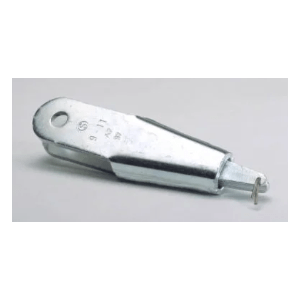
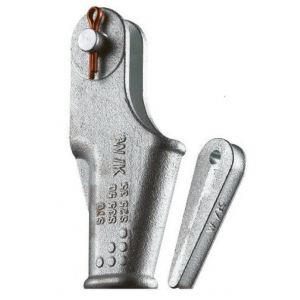
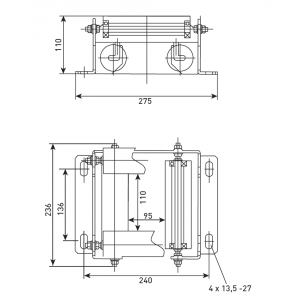
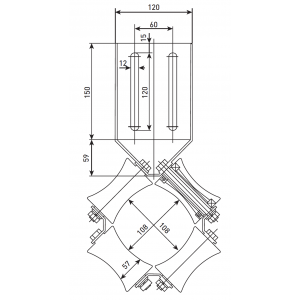
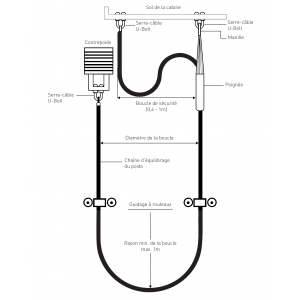
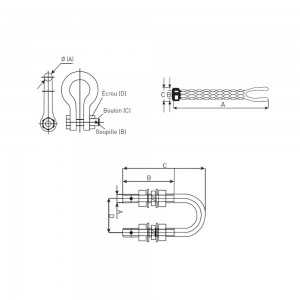
There are several types of ropes depending on your use:
Galvanised hoisting ropes and stainless steel cables with small diameters (7x7 or 7x19) are generally used in the fields of architecture or professional zip lines. The larger diameter (6x25) traction ropes are designed for winches and for skidding.
For overhead cranes and other uses such as slings, wire ropes have a larger diameter (8x19 for overhead cranes and 6x36 or 6x37 for slings).
How to choose your wire rope ?
To choose your lifting rope, you generally need to know the type of equipment (cranes, hoists, winches, jib cranes, etc.), the use of the rope, the diameter of the drum and the number of strands on which the rope works. Before starting any work, you must ensure that the diameter of the rope chosen meets the requirements of your installation.
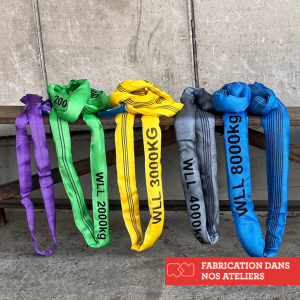
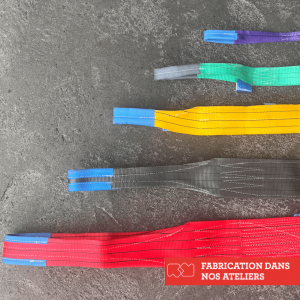
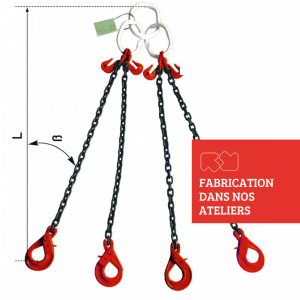
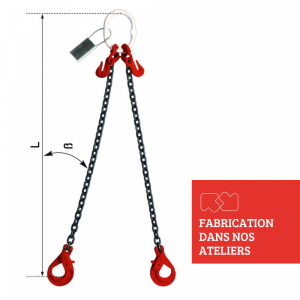
Our lifting and handling workshops can manufacture your ropes tailor-made. They can also produce skidding slings. We offer a wide range of standard ropes, stainless steel ropes, high performance ropes, special ropes and rope accessories.
Never forget to check your lifting cable regularly. The AFNOR E52-402 standard recommends a daily visual inspection of your rope to determine deterioration and deformation. It is possible that, after several uses, there is wear of broken wires, distortion of the strands, elongation of the pitch or even the appearance of rust. Periodic checks can be carried out in our workshops to ensure that the ropes are safe to use for lifting. Please store your hoisting ropes in a dry place, away from the ground or other steel parts.
If you would like more information on lifting ropes and fittings, please contact our customer service department.