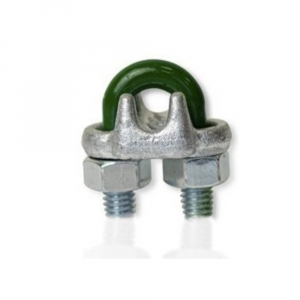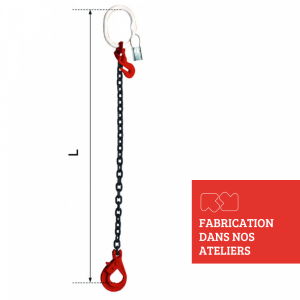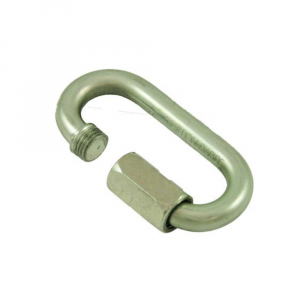



 LYRES SHACKLES
  STRAIGHT SHACKLES
SHACKLES
Shackles are part of the large family of accessories for lifting loads. The shackle is essential for most lifting operations. Consisting of a shackle and a body, the purpose of the lifting shackle is to connect a lifting chain to a load to lift or pull it horizontally or vertically. The shackle can be U-shaped, it can be a lyre shackle or a round shackle.
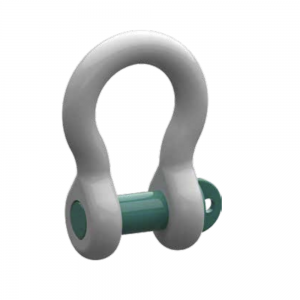
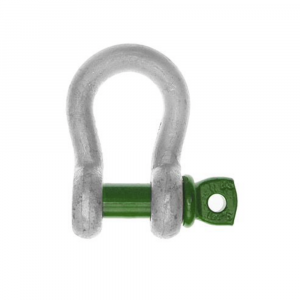
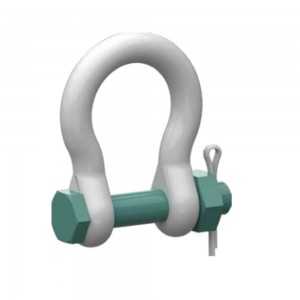
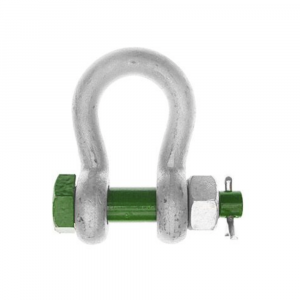
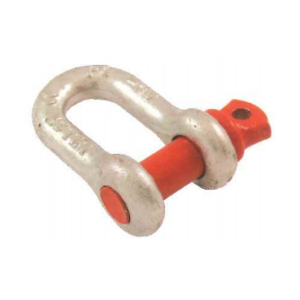
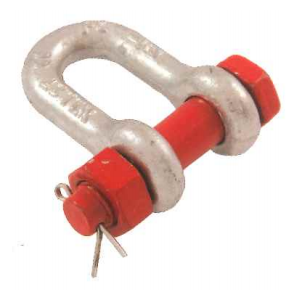
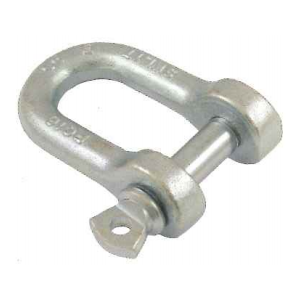
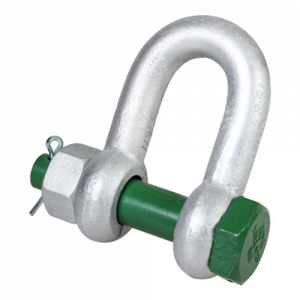
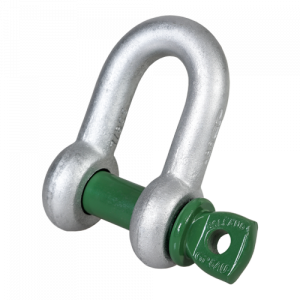
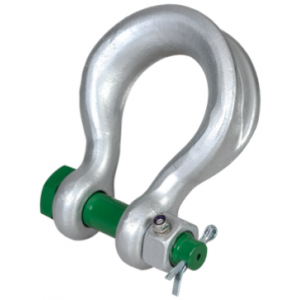
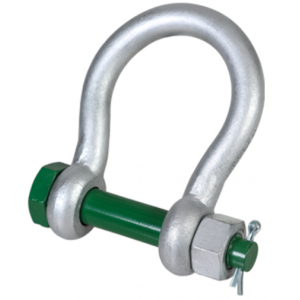
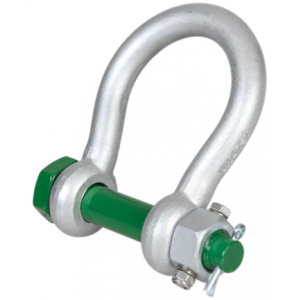
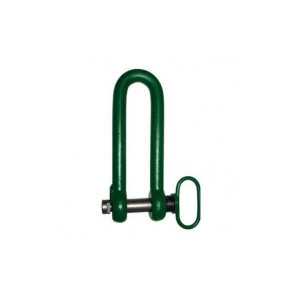
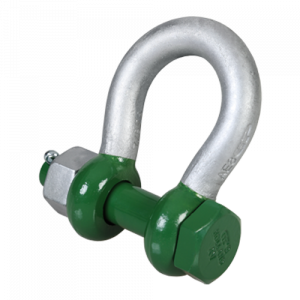
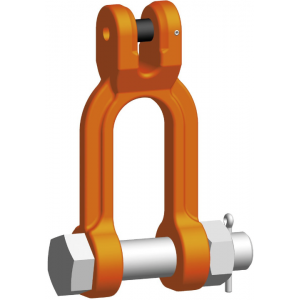
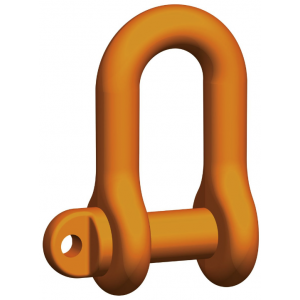
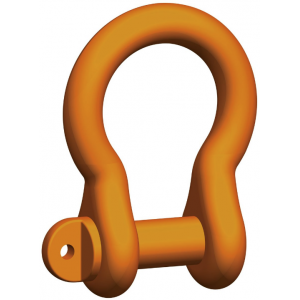
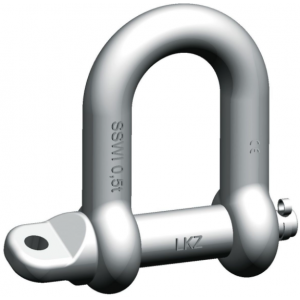
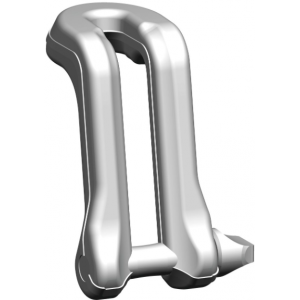
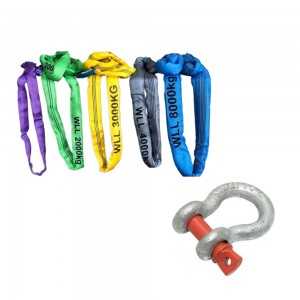
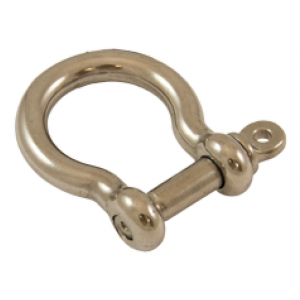
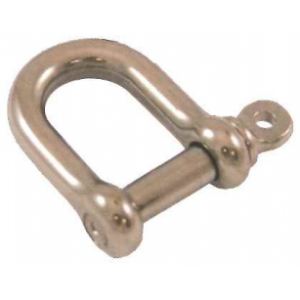
Shackles are made from a bracket and are usually closed by a movable pin which is screwed on with a bolt-nut or a screw. These lifting accessories can be attached either directly to the load or with a rope, chain or sling. Shackles are generally used in construction, forestry, public works or marine activities.
Levagemanutention.com offers several types of shackles of different sizes and shapes to suit all your operations. Each shackle is CE certified and carries a brand mark.
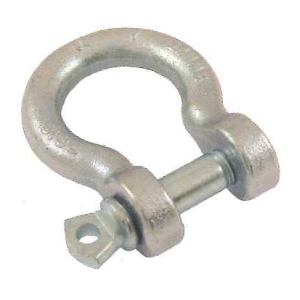
There are straight shackles and lyres shackles. Lyres shackles have a more rounded shape with more space inside than a straight shackle. There are also heavy duty shackles with a nut bolt or shackles with a screw. The shackle screw is fixed directly into the shackle, whereas a nut bolt is inserted into the shackle and fixed with a nut.
We recommend that you check regularly to ensure the safety of you and your load. Be sure to check the eye and pin hole of the shackles for signs of stretching or wear, which would indicate overloading. Check that the shackle body is not bent due to excessive oblique tension. The shackle pin should not show corrosion, distortion or signs of wear. If this is not the case, the shackle is no longer functional. All shackles showing defects or signs of wear must be replaced.
When using a lifting shackle, it is important to know the right things to do to avoid easy wear and tear and to ensure your safety. First of all, never replace with a different bolt or pin, as the shackle pin may break under the weight of the load because it is not fully adequate. You should not allow any oblique tensions that could affect the capacity of the shackle, so we recommend placing washers on the pin to centre the hook. Be careful not to force the shackle into position with a hammer or wedge. Finally, do not arrange the strands of a sling so that there is an angle greater than 120°.
For more information on lifting shackles, please contact our customer service department, they will answer all your questions.